More brands are putting a spotlight on their packaging, and customers are noticing. It’s often one of the first things people look at when deciding what to buy. For businesses, the real question is: what is sustainable packaging? And more importantly, how can they make practical changes without slowing down operations or increasing costs?
At Imperial Packaging, we’ve seen how these expectations have evolved over time. With more than 50 years in bottling supply and logistics, we know how packaging choices affect everything from shipping to how the product is perceived on the shelf.
If you’re starting to make changes, it helps to understand what sustainable packaging means today and where it fits into your day-to-day operations.
What Is Sustainable Packaging?
Sustainable packaging refers to packaging that reduces environmental impact across its lifecycle, from production and use to disposal.
In practical terms, that can include:
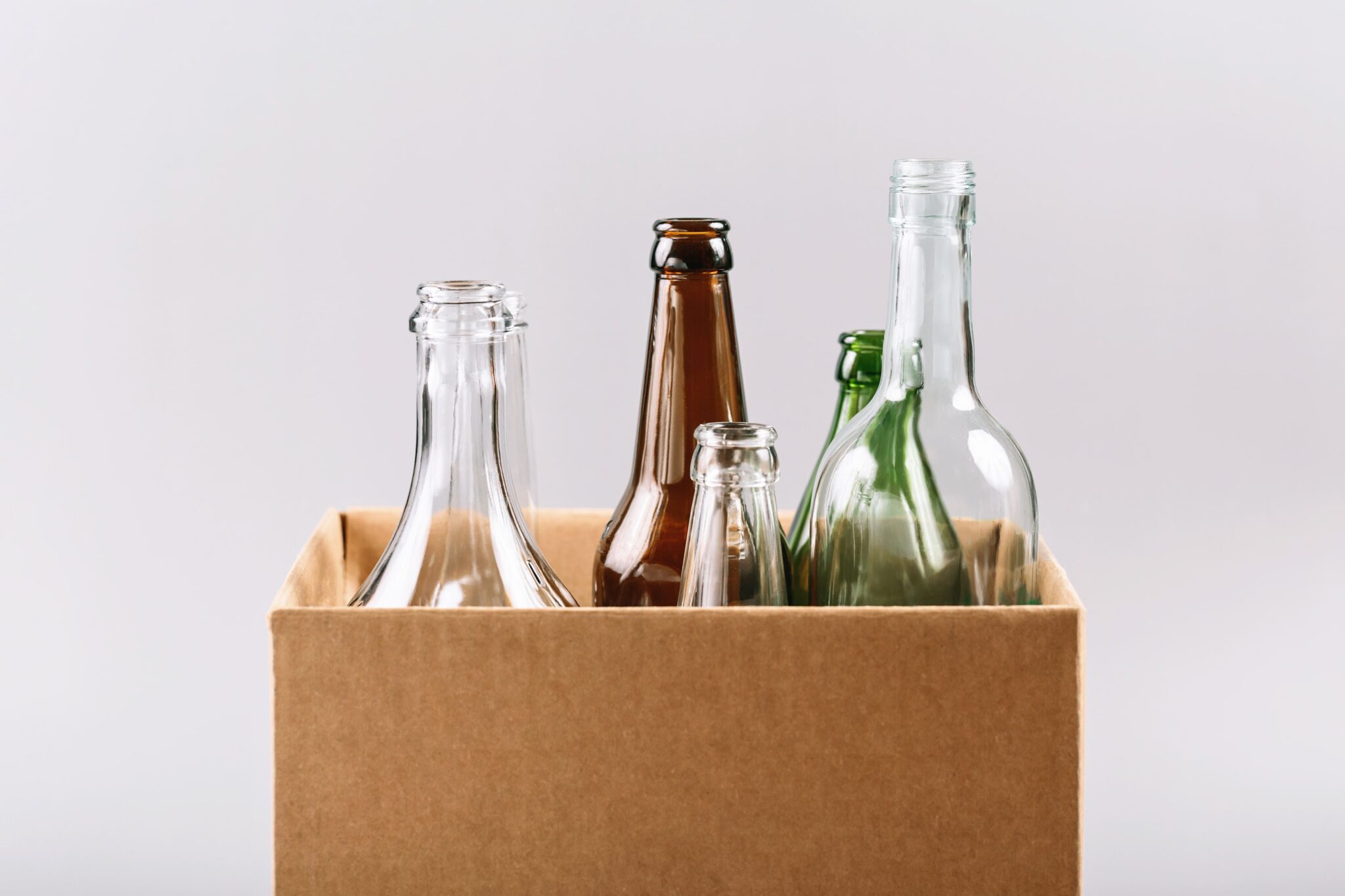
- Recyclable glass bottles or aluminum containers
- Lightweight plastics that reduce material use
- Refillable or reusable packaging systems
- Materials sourced from recycled or renewable inputs
For many businesses, understanding what sustainable packaging is starts with straightforward adjustments. The bigger opportunity is to look at packaging as part of a larger system that supports efficiency, cost control, and long-term use.
What Is Sustainable Packaging Design, and Why Should You Care?
At a basic level, what is sustainable packaging design? It is the process of creating packaging that uses materials efficiently, reduces waste, and supports responsible disposal.
This can involve:
- Material selection
- Structural design and weight
- Compatibility with recycling systems
- Reducing unnecessary components
The value of sustainable packaging design goes beyond material choices.
Even when using stock packaging, design decisions affect performance. The size and shape of a container influence shipping efficiency. Closure types can impact recyclability. Label materials may affect how easily packaging is processed after use.
For businesses developing custom packaging, these decisions carry more weight. A well-designed container can improve shelf presence while lowering material use and transportation costs over time.
Planning custom packaging? Imperial Packaging supports you from concept to production, ensuring your packaging fits both your operations and brand.
Explore Custom Design Services
Why Is Sustainable Packaging Gaining Traction Now?
Sustainable packaging is gaining attention due to changes in consumer behavior, regulations, and market expectations.
Consumers Prefer Brands with Sustainable Packaging
Consumers are paying closer attention to packaging, and it’s influencing how they choose products. Shorr’s 2025 report shows strong demand, with over half of consumers choosing sustainable packaging recently and 90% more likely to buy from brands that use it.
This growing preference is especially noticeable in food, beverage, and personal care, where packaging plays a visible role in the overall product experience.
Regulations Are Tightening
Regulatory requirements are becoming more structured.
- Extended Producer Responsibility (EPR) laws are expanding
- Businesses may be required to manage or contribute to packaging waste systems
- International markets, particularly in Europe, often have stricter standards
Packaging decisions today can influence future compliance, especially for companies operating across regions.
Competitive Pressure
Sustainability is becoming part of standard business practice.
- More brands are adopting environmentally responsible packaging
- Industry events continue to highlight sustainable solutions
- Retailers may favor products that meet sustainability criteria
Businesses that delay may find it harder to catch up.
Key Sustainable Packaging Trends and Ideas
There are several practical sustainable packaging ideas businesses can consider as part of a broader approach.
- Compostable and recyclable materials. Glass, aluminum, and select plastics remain widely used for their recyclability.
- Refillable and reusable packaging. Common in personal care and household products, these systems reduce single-use waste.
- Material reduction. Using less material can lower both costs and environmental impact.
- Supply chain optimization. Sustainability also includes sourcing, storage, and transportation. Efficient logistics can reduce waste and improve overall performance.
A coordinated approach across packaging and logistics often leads to better long-term results.
How Can Sustainable Packaging Benefit Your Business?
A clear sustainable packaging strategy can support both operational and brand objectives.
- Cost efficiency. Reducing material use and optimizing packaging can lower production and shipping costs.
- Brand perception. Customers increasingly expect responsible packaging choices.
- Long-term competitiveness. Businesses that adapt early are better prepared for regulatory and market changes.
For companies evaluating next steps, sustainable packaging for small businesses can begin with focused, manageable improvements that scale over time.
Turn Your Packaging Strategy into a Competitive Advantage
Sustainable packaging is becoming part of how businesses operate and grow. The first step is understanding what sustainable packaging is, but execution matters just as much.
Imperial Packaging works with businesses across industries to align packaging decisions with sourcing, design, and logistics. With the right support, it is possible to improve efficiency while meeting sustainability goals.
From sourcing to storage to delivery, Imperial Packaging helps streamline every step of your packaging process so you can focus on running your business.