
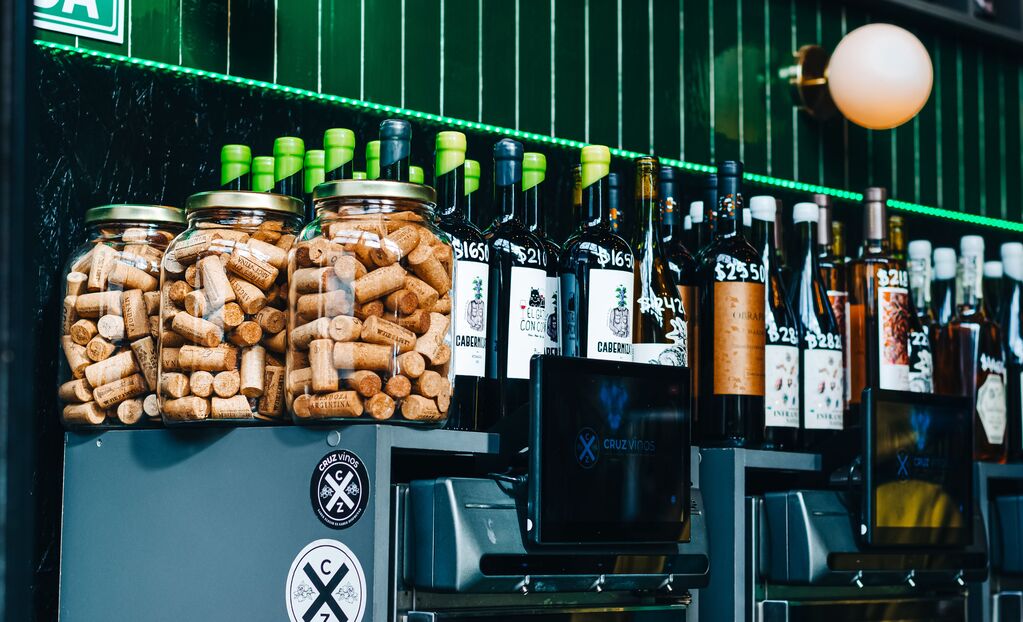
A closure does more than keep a bottle shut. It prevents leaks, protects what’s inside, extends shelf life, and signals to the customer that the product is exactly as it should be. The wrong closure compromises product quality long before a customer opens the package.
This guide compares the five most common bottle closures and explains how material affects performance, appearance, and cost.
What Do Bottle Closures Do, Anyway?
Bottle closures keep your product protected long after it leaves the production line. The right closure preserves quality during shipping, storage, and handling.
A good closure protects against several common problems:
- Oxidation: This occurs when oxygen enters the bottle and reacts with the product. Over time, it can change the flavor, aroma, color, or freshness of products like wine, olive oil, and spirits.
- Contamination: Dust, moisture, or bacteria can get in if the seal fails, which puts quality, safety, and shelf life at risk.
- Tampering: A bottle that’s been opened or altered before purchase can compromise product quality and safety. Tamper-evident closures show a broken seal.
- Pressure loss: Carbonated products rely on an airtight seal to keep carbonation inside the bottle. Without one, beverages like beer, kombucha, sparkling water, and soda can go flat before they reach the customer.
The best closure depends on your product, packaging, and how you’ll store, ship, and use the bottle.
What Are the Different Types of Bottle Closures?
There are many types of bottle closures, but most brands choose from a handful of common designs. The best option depends on your product and packaging needs.
Corks
Corks have sealed bottles for centuries, and they’re still one of the most common wine bottle closures. You’ll also find them on spirits, olive oils, and specialty food products.
Natural cork lets a small amount of oxygen into the bottle, making it a good choice for wines that benefit from aging. Synthetic cork gives you the traditional cork appearance while reducing the variation that comes with natural cork.
Corks give bottles a classic appearance, but they cost more than some other closures and require a corkscrew to open.
Bar tops
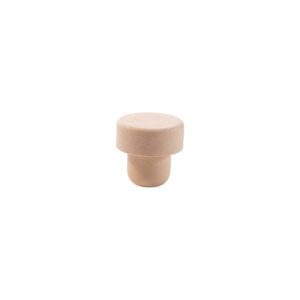
Bar tops combine a stopper with a decorative top made from wood, plastic, or metal. They suit premium products where appearance matters as much as performance.
Most bar tops use a synthetic or natural cork underneath, so they provide many of the same sealing benefits while creating a more distinctive look. They’re common on spirits, craft beverages, and specialty oils.
Bar tops seal the bottle much like standard corks, but they stand out more on the shelf and are easier for customers to remove and reseal.
Screw caps
Screw caps are one of the most common bottle caps and closures because they’re reliable, affordable, and easy to use.
They create a consistent seal that reduces oxidation and contamination while allowing customers to reseal the bottle after opening. Many wineries use them because they mitigate the risk of cork taint and create a more reliable seal from bottle to bottle.
Beyond wine bottles, you’ll find screw caps on beverages, sauces, pharmaceuticals, and cosmetics. They’re among the most widely used glass bottle closures in the food and beverage industry and are quite versatile: they come in metal and plastic, with various liner options, including foam and induction-seal.
Crown caps
Unlike screw caps, crown caps are single-use. They come off once and don’t reseal.
Their biggest advantage is pressure retention. Crown caps create a tight seal that keeps carbonation inside the bottle. They’re a popular choice for beer, sparkling beverages, kombucha, and soft drinks.
If your product depends on carbonation, crown caps are the top choice.
Find the Right Closure for Your Product
From corks and bar tops to screw caps and custom closures, we’ll help you find the best fit for your product, packaging, and brand.
Swing tops
Swing tops use a wire bail and gasket to create a reusable, airtight seal. They cost more than standard closures, but they look distinctive, and you can open and close them again and again without needing a new closure each time.
Craft beverages, syrups, infused oils, and other products where presentation is part of the brand often use swing tops.
Compared with crown caps, a swing top costs more, but lets you reseal the bottle after it’s opened.
Lug closures
Lug closures, commonly called twist-off caps or lug lids, are the standard closure for vacuum-packed foods in jars. Instead of a continuous thread, they use short tabs that engage the jar finish with roughly a quarter turn.
They hold a vacuum that limits oxidation and extends shelf life, which makes them well-suited to hot-filled and pasteurised products, like sauces, jams, pickles, baby food, honey, and preserves.
Our lug closures are made from metal, so they can handle hot-fill and retort temperatures and hold a strong vacuum. As with screw caps, several liner options are available.
Plastic vs. Wood and Glass Bottle Closures: Which Should You Choose?
The material matters, too. It affects both performance and cost. Here’s a quick comparison of three closure materials:
Plastic closures are a practical choice for high-volume products because they cost less. Wood closures are often used for premium spirits, while glass closures offer a more luxurious look at a higher price. If you’re comparing bottle materials, check out our guide to glass vs. plastic packaging.
Get Expert Help Choosing Bottle Closures
The right bottle closure protects your product and gives customers a better experience. Stock and custom closures each have their advantages, but the right choice depends on your product, production volume, and brand. If you’re still weighing your options, check out our guide to stock vs. custom packaging to see how they compare.
Still have questions? Our packaging experts can walk you through the options and help you find the right closure for your product.
Talk to a Packaging Expert
Choosing the right closure doesn’t have to be complicated. Get expert guidance before you place your next packaging order.