Your product may be the star, but choosing the right packaging is not always straightforward. Many brands begin by asking whether glass or plastic will best protect the time, resources, and passion invested. Both glass and plastic can be sustainable packaging materials.
Choosing between them means balancing compatibility, temperature, shelf life, shipping, brand positioning, cost, and lead times.
Glass vs. Plastic Packaging: At a Glance
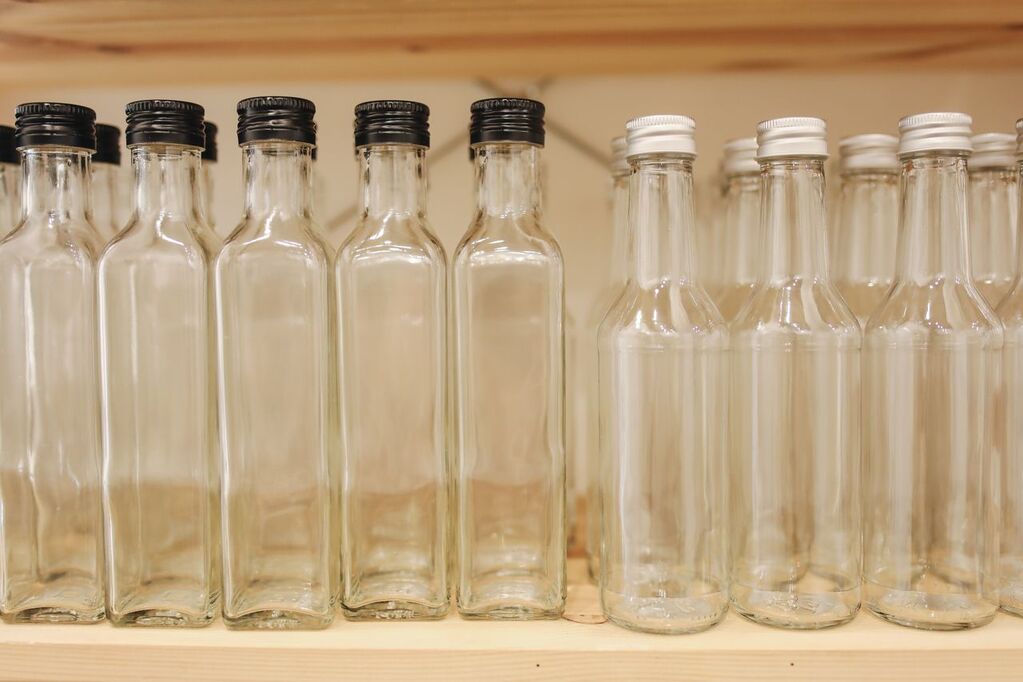
Glass often suits spirits, wine, preserves, and gourmet sauces where protection and premium presentation matter.
By contrast, high-volume beverages, household, automotive, personal care, and pet care products are suited to plastic where the priorities are weight, durability, and cost.
Glass vs. Plastic: Temperature Limits
Temperature limits can rule out an option immediately, so it’s best to start there: what temperature does your product require, and can the material support it?
Properly preheated glass containers commonly support hot-fill temperatures of around 190-200°F, making them suitable for products like jams, sauces, and pasteurized juices. Some glass types have even higher limits. For instance, heat-resistant jars made from tempered or borosilicate glass can withstand temperatures up to 500°F.
Plastic performance varies. Standard PET suits cold fill, while heat-set PET can handle temperatures of up to about 185°F. HDPE and PET often work well for cold-filled personal care and household products.
Glass vs. Plastic: Shelf Life
Shelf life should also be considered early. Glass provides strong oxygen and moisture protection for wine, spirits, sauces, preserves, and oils. Colored glass may also protect light-sensitive products.
Plastic can support a long shelf life, but performance depends on resin, barrier layers, closure design, formulation, and storage. PET commonly suits beverages and foods, while HDPE suits household, pet care, and personal care products.
Glass vs. Plastic: Sustainability
Neither material is sustainable simply because it is technically recyclable. Recyclable packaging materials offer the most value where local collection and processing systems support them. Beyond that, brands comparing eco-friendly packaging materials should consider transportation and recycled content.
Collection drives the widest swings. Glass recycling exceeds 63% in deposit-return states but falls to about 24% elsewhere, so the same bottle may perform differently depending on where your customers live.
Recycled content is a separate measure and moves more slowly. U.S. PET bottles, for instance, averaged 15.9% recycled content in 2024, but they remain widely accepted for recycling.
That said, if you want sustainable packaging, these are the materials to look for on our site or raise with our packaging experts:
- 100% recycled PET plastic
- 100% recycled HDPE plastic
- Other 100% PCR plastics, also called post-consumer resin
- 100% post-consumer recycled (PCR) glass
Glass vs. Plastic: Cost
Plastic packaging is usually less expensive than glass for a comparable capacity, but unit price is only part of the cost. Glass is heavier, needs more protection in transit, and carries greater breakage risk. This can increase freight, handling, and damage costs.
Final pricing depends on size, volume, recycled content, decoration, closure, freight distance, and whether the packaging is stock or custom. Compare the delivered cost of glass vs. plastic packaging rather than relying on a fixed percentage.
Compare Your Packaging Options
Imperial Packaging can help you compare material compatibility, container pricing, freight, and availability for your specific product.
Glass vs. Plastic: Shelf Presence
Both materials can achieve a strong shelf presence, but they achieve it in different ways.
Glass creates a premium, substantial impression and may suit brands seeking:
- heritage or craftsmanship
- strong product clarity
- a lasting or collectible appearance
Examples include spirits, wine, specialty foods, and upscale beauty products.
Plastic creates a lighter, practical impression. It may suit brands prioritizing:
- bold color and decoration options
- safer, high-impact visual displays
- flexible shapes and dispensing
It works well for condiments, beverages, personal care, household, and pet products. Design and shape can also give plastic packaging premium shelf presence.
Glass vs. Plastic: Lead Times
If glass or plastic packaging is in stock, availability and lead times are usually similar. Custom packaging extends lead times for both materials, with glass usually adding a bit more.
Choosing between stock and custom packaging affects the design process and overall lead time.
Glass vs. Plastic: Which Material Should You Choose?
Choose glass for higher filling temperatures, strong barrier protection, or a premium presentation. Choose plastic when weight, durability, cost, and shipping distance matter most.
No single sustainable packaging material works for every product. The best choice depends on compatibility, temperature, distribution, branding, budget, and timing. Talk to our packaging experts to compare suitable options.
The Right Packaging Choice
Both glass and plastic can be eco-friendly when they suit the product, supply chain, and local recycling system. The right choice of sustainable packaging material should protect quality, support the brand, and fit the budget and timeline.
The container is only part of the package. The closure decides whether it seals and dispenses the way you need.
Complete Your Packaging Solution
Talk to our team about the container and closure options for your product and production needs.