
Consumer expectations continue to evolve, and packaging is evolving with them. The brands that stay ahead of emerging packaging trends are better positioned to meet customer preferences, adapt to changing regulations, and strengthen their market presence.
In 2026, rigid packaging is taking on a bigger role in the customer experience. From cleaner designs to smarter technology, the latest changes are shaping how products are packaged, presented, and used. Here are five packaging trends worth watching.
The Packaging Trends Shaping 2026
From materials and closures to design and technology, these packaging trends are expected to influence how brands approach rigid packaging in 2026.
1. Minimal, Clean Aesthetics
Among today’s leading packaging design trends, less is often more.
Over the past few years, many brands have relied on bold graphics, busy labels, and extensive on-pack messaging. In 2026, the shift is toward simpler designs that prioritize clarity and authenticity.
This trend is especially popular with Gen Z consumers, who tend to value transparency and straightforward communication. Clean typography, restrained color palettes, and uncluttered layouts can help products feel more approachable and trustworthy.
For rigid packaging, minimalism often takes shape through:
- Streamlined bottle silhouettes
- Reduced label coverage
- Simple closure designs
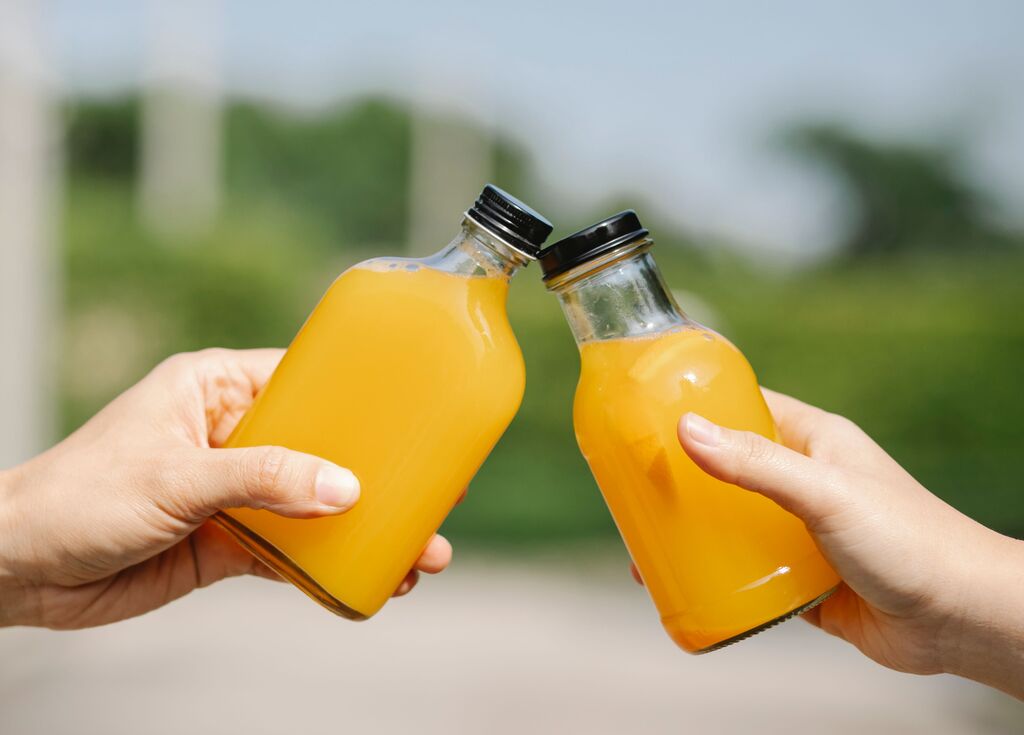
- Clear or lightly tinted glass that puts the product itself on display
Clear, simple designs make it easy for consumers to understand what they’re buying.
2. Refillable Packaging
Refillable packaging is moving beyond niche programs and becoming a practical option for more brands, particularly in personal care and beauty.
Consumers are increasingly looking for products they can reuse, and brands are responding with durable containers designed for multiple use cycles. Glass bottles and PET containers are especially well-suited to refillable formats because they offer the durability needed for repeated handling.
Successful refill systems depend on more than the refill itself. Brands need containers and closures that maintain product quality, support easy refilling, and create a consistent customer experience.
While this trend is most visible in beauty today, it is beginning to influence household products and certain beverage categories, as well.
3. Single-Material Packaging
Simplifying packaging materials can make recycling easier for consumers and improve recovery rates. Single-material packaging uses one primary material throughout the package whenever possible. For rigid packaging, that can mean pairing a glass bottle with a compatible closure or designing PET containers with labels and caps that support the same recycling stream.
This approach can help businesses:
- Simplify recycling instructions
- Reduce material complexity
- Support sustainability goals
As consumers pay closer attention to packaging choices, businesses are increasingly exploring how sustainable packaging can support both environmental goals and long-term growth.
4. Smart Packaging
Packaging is becoming a more direct connection between brands and customers.
QR codes, NFC tags, and other digital features allow brands to share product information, verify authenticity, and create more engaging experiences.
For example, a QR code on a wine bottle can link to tasting notes, food pairings, or brand stories. A food manufacturer can provide sourcing information or preparation tips. NFC-enabled closures can help premium spirits brands protect against counterfeiting.
For rigid packaging, smart features can be integrated into labels, containers, or closures without changing the overall package design.
Custom packaging plays an important role here. Thoughtful design ensures digital features are easy to use while maintaining the look and functionality of the package.
Explore Custom Packaging Design
Bring your packaging ideas to life with custom bottle and container designs tailored to your product and brand. Learn how Imperial Packaging supports every step, from concept to production.
Explore Custom Design Services
5. Premiumization
Consumers often associate packaging quality with product quality, making premiumization one of the most influential packaging industry trends today.
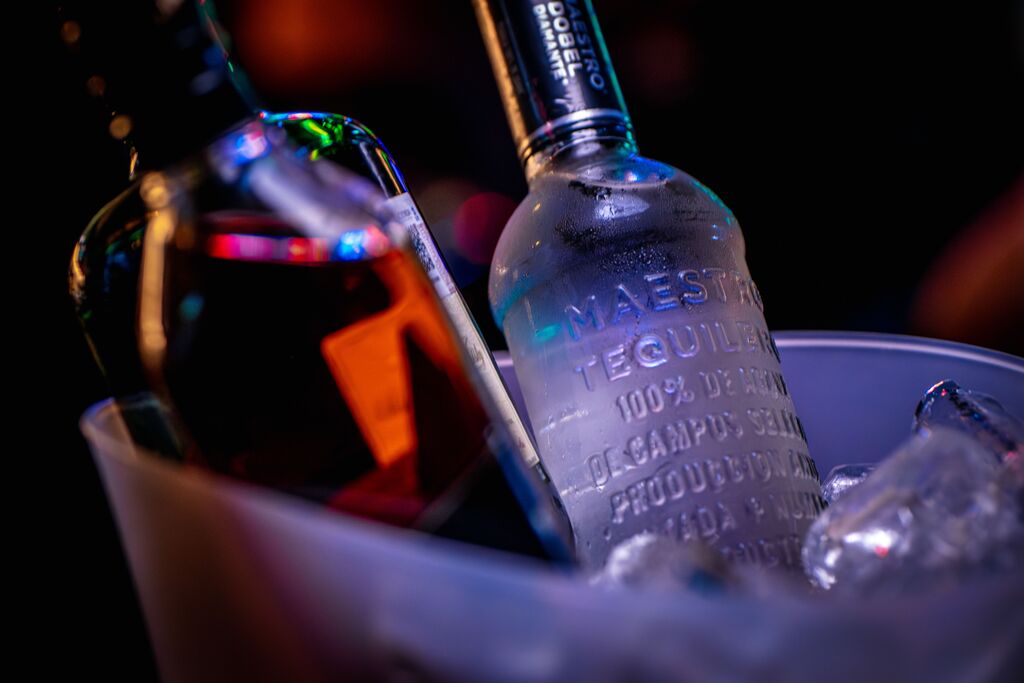
This is especially true across beverage packaging trends and food packaging trends, where the packaging experience can shape purchasing decisions. A premium spirit might use a distinctive bottle like the Amsterdam 750 ml Spirit Bottle or the Long Island 750 ml, while gourmet food products often benefit from containers like the 8 oz French Square that combine functionality with a clean, premium look.
Premium packaging elements may include:
- Heavier glass bottles
- Distinctive shapes
- Embossed details
- Specialty finishes
- Premium closures
Closures deserve just as much attention as the container itself. Natural corks, synthetic corks, metal caps, and tamper-evident closures all contribute to product protection and the overall customer experience.
Whether you are packaging beverages, food products, beer, wine, or spirits, the right combination of container and closure helps communicate quality from the first interaction.
Prepare for What’s Next in Packaging
The packaging trends shaping 2026 point to a clear shift toward simpler designs, durable materials, easier recycling, connected experiences, and premium presentation.
As consumer expectations continue to evolve, businesses need packaging solutions that support their products, operations, and long-term goals. Working with an experienced partner can help you adapt to changing market demands while selecting the right containers, closures, and materials for your brand.
With more than 50 years of experience in packaging design, sourcing, and logistics, Imperial Packaging helps businesses turn emerging trends into practical packaging solutions.
Stay Ahead of Packaging Trends
Keep your packaging aligned with changing customer expectations. Whether you’re updating your bottles, closures, or overall packaging, Imperial Packaging can help.