
Uncategorized
Child-Resistant Packaging: What It Is, How It’s Tested, and When It’s Required
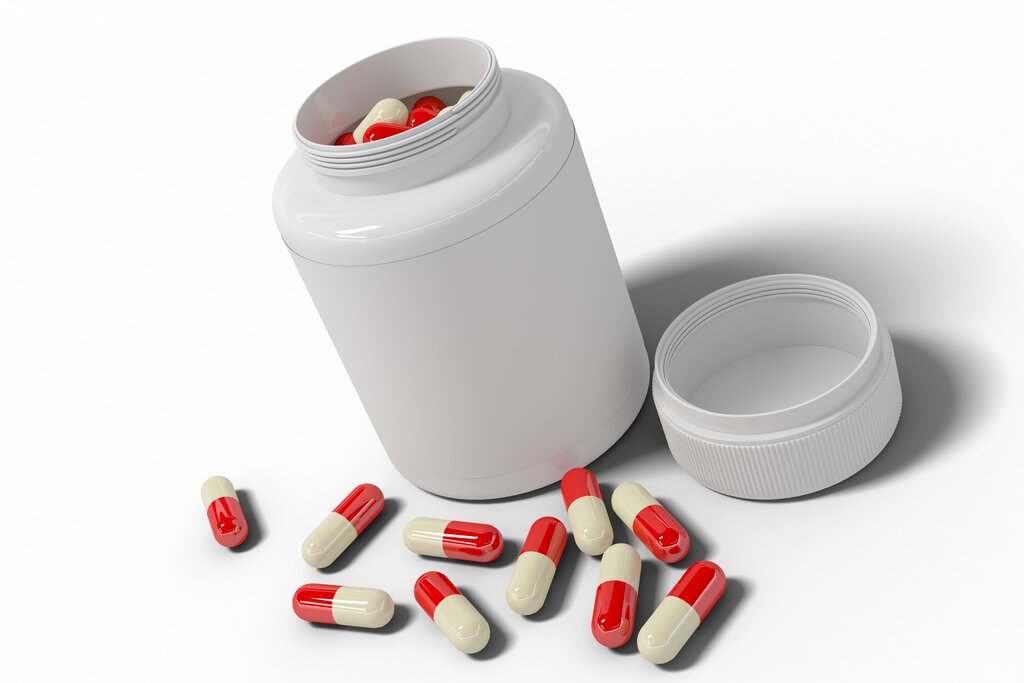
You’ve chosen the bottle and booked production. Then someone asks whether the package is child-resistant, and you have to think twice. Before any regulated products ship, child-resistant packaging must be confirmed. Yet it’s a widely misunderstood term. Child-resistant doesn’t mean childproof. It means ‘hard for young children to open, but still usable for adults.’
This guide covers what CR packaging means, how it’s tested and when brands may need it. Treat it as a starting point, not a substitute for product-specific regulatory review.
What Is Child-Resistant Packaging?
Child-resistant packaging is designed to be significantly difficult for children under the age of five to open within a reasonable time while remaining usable by adults. No package stops every child, and the standard doesn’t claim to.
The U.S. Consumer Product Safety Commission (CPSC) calls this “special packaging.” Its authority comes from the Poison Prevention Packaging Act of 1970 (PPPA), which sets federal requirements for certain household products and substances. CPSC staff estimate that special packaging for aspirin and prescription drugs saved the lives of more than 900 children since the 1970s.
The standard balances two needs:
● Children should have difficulty getting to the contents.
● Adults, including older adults, should still be able to open, use, and reclose the package properly.
So, what makes packaging child-resistant? It’s performance, not appearance. Push-and-turn caps, CR pouches, and blister packs are common formats, but none qualifies automatically. Only passing the applicable test counts.
How Is Child-Resistant Packaging Tested and Certified?
Child-resistant packaging is evaluated through standardized tests under 16 CFR § 1700.20 that measure whether young children can open the package and whether adults can use it properly. These protocols sit within the CPSC’s PPPA regulations at 16 CFR Part 1700.
The child test
Children aged 42 to 51 months take part, usually in pairs and in a familiar setting. Each child gets five minutes to open the package. If they can’t, the tester demonstrates, and they get five more minutes.
Under the CPSC’s current guidance, at least 85% of tested children must fail to open the package in the first five minutes, and at least 80% must fail across the full 10-minute test.
The adult test
CR packaging isn’t meant to be hard for everyone. For most packages, 100 adults aged 50 to 70 years old get five minutes to open and properly reclose it using only the printed instructions and a one-minute test. At least 90% must succeed. That’s why the CPSC describes special packaging as both child-resistant and senior-friendly.
Does child-resistant packaging need to be certified?
Passing the test is not the same as labeling a package “child-resistant.” Per the CPSC, special packaging doesn’t require third-party testing under the Consumer Product Safety Improvement Act, but certificates of compliance are still required. The manufacturer must confirm the packaging meets the special requirements and issue a General Certificate of Conformity (GCC) for the end product.
Results also apply only to the package as tested. Swap in a lookalike closure or a more sustainable packaging material that changes the fit, and they may no longer apply. Always verify the requirements and documentation for your specific product.
Not sure which container and closure fit your product?
Talk through your product, market, and volumes with our team before you commit to production.
When Is Child-Resistant Packaging Required?
Child-resistant packaging is required for certain products and substances covered by applicable federal or state regulations, rather than automatically for every product sold in the United States.
What are the child-resistant packaging requirements? At the federal level, the PPPA applies to specified household substances, which the CPSC lists at 16 CFR § 1700.14. Broadly, child-resistant packaging requirements can apply to:
● Certain household chemicals and cleaners, such as some containing methyl alcohol or sodium hydroxide
● Most oral prescription drugs and certain over-the-counter medications
● Other listed substances, such as iron supplements and liquid nicotine
● Products covered by other laws, such as residential pesticides under EPA rules
For cleaning and chemical products, explore our Household Packaging range.
Does cannabis packaging have to be child-resistant?
Cannabis is a major use case for CR packaging, but the rules differ. The federal PPPA doesn’t universally require CR packaging for every cannabis or CBD product. Requirements are largely set by states and vary by product type. Many states require child-resistant cannabis packaging for edibles, flowers, concentrates, or vapes.
The stakes are high. A 2023 study in Pediatrics found that reported edible cannabis exposures among children under six rose from 207 in 2017 to 3,054 in 2021, an increase of 1,375%.
CBD rules are less consistent. Before you finalize cannabis child-resistant packaging, check the regulations in every state where the product will be sold. Then compare options in our CBD & Cannabis Packaging range.
Choosing Child-Resistant Packaging for Your Product
Choosing child-resistant packaging starts with identifying the regulations that apply to the product, market, container, and closure rather than simply selecting a package labeled “child-resistant.” Work through this checklist:
- What product is being packaged?
- Where will it be sold?
- Which federal, state, or other regulations apply?
- Does the complete package and closure combination meet the applicable standard?
- Is the necessary testing or compliance documentation available?
- Can your intended customer use the package correctly?
Consider the bottle, closure, and liner together, especially with custom packaging, where a new bottle shape or neck finish may need its own evaluation.
If you’re buying child-resistant packaging wholesale, confirm specifications and documentation before a large production run. A partner offering end-to-end packaging solutions, from sourcing through packaging logistics, keeps components consistent between orders.
Get the Right Packaging for a Regulated Product
Child-resistant packaging is a tested performance standard, not a packaging style or a marketing claim. Whether you need it depends on your product and market, and for cannabis and CBD brands, the answer can change from state to state. Imperial Packaging can help you compare containers and closures, develop custom packaging, and plan for the volumes you need.
Packaging a regulated product?
Tell us what you’re launching and where. We’ll help you find container and closure options that fit your product, timeline, and budget.